





Stepping into a new year is the perfect moment to refresh daily habits and swap throwaway items for beautiful, long-lasting pieces that respect people and planet. Ethical homeware and simple zero-waste swaps can make every room feel calmer, more organised and more sustainable without sacrificing style.
Why zero-waste home swaps matter
Choosing reusable, plastic-free alternatives reduces landfill waste, cuts down on microplastics and supports a slower, more intentional way of living. Opting for handwoven storage, natural fibres and solid toiletries over synthetic, single-use items also helps support artisan makers and traditional craft communities.

Zero-waste kitchen
The kitchen is often where the most packaging builds up, so it is a powerful place to start your ethical New Year refresh. Focus on reusable storage, natural materials and products you will love and keep in use all year round.
-
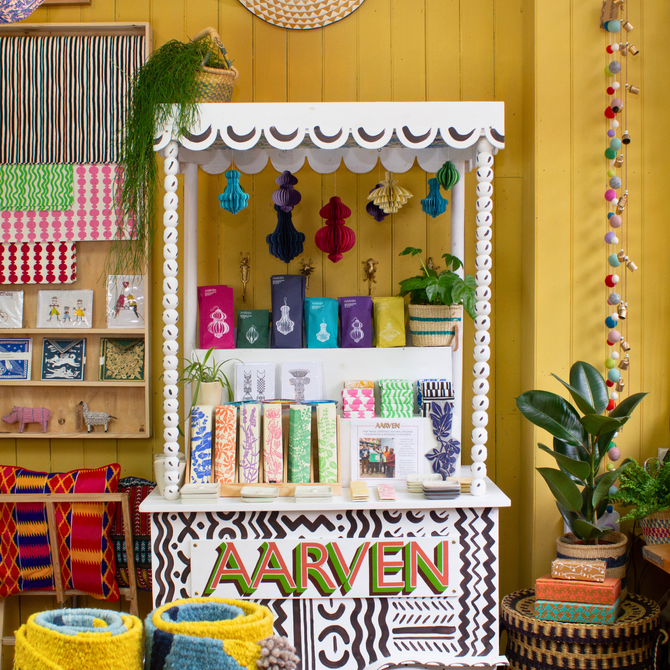
Swap plastic tubs and crates for handwoven storage baskets to hold fresh produce, tea towels or reusable bags. AARVEN’s Kenyan and Ghanaian baskets are crafted from durable natural fibres by women’s cooperatives and designed to last.
-
Replace disposable napkins and synthetic runners with organic cotton textiles, using a patterned tablecloth to dress the table for gatherings and then repurpose it as a light bedspread or sofa throw between occasions.
-
Choose wooden utensils and boards made from responsibly sourced olive wood instead of plastic tools. Quality pieces are long-wearing, repairable and turn everyday cooking into a small ritual.
- Use your local refill shop where possible and try to avoid purchasing food items in unnecessary plastic packaging. Look for loose fruit and veg options or food that comes in recyclable tins, jars or cardboard packaging.

Plastic-free bathroom
Bathrooms are often filled with plastic bottles and synthetic accessories, but small, thoughtful choices can dramatically shrink your footprint. An ethical bathroom routine is about using what you have first, then upgrading to long-lasting, plastic-free pieces as items need replacing.
-
Swap liquid soap and shower gel bottles for bar soap and shampoo bars, pairing them with a handmade soap dish so they dry properly and last longer. AARVEN offers hand-painted ceramic dishes from Jaipur and smooth Kenyan soapstone designs that elevate any sink.
-
Use woven storage baskets instead of plastic caddies to corral skincare and hair tools or even AARVEN's purpose-designed woven toilet roll holders. Handwoven bathroom baskets bring warmth and texture while cutting out new plastic from your space.
-
Refresh hooks and small hardware with durable brass pieces to hang reusable cotton pads, towels and robes, helping you move away from disposable wipes and cluttered surfaces.

Ethical bedroom
A low-waste bedroom feels restful, organised and intentional, with textiles and storage chosen to last for years. Focus on natural fibres, multifunctional pieces and a 'buy less, buy better' approach to decor.
-
Swap synthetic throws and bed linens for breathable organic cotton textiles such as a generously sized Indian cotton tablecloth that can double as a lightweight bedspread or layered throw, giving you styling flexibility without buying multiple separate pieces.
-
Use handwoven baskets as bedside storage for books, electronics and chargers instead of plastic boxes or MDF drawers. These pieces add character while supporting artisan basket weavers across Africa.
-
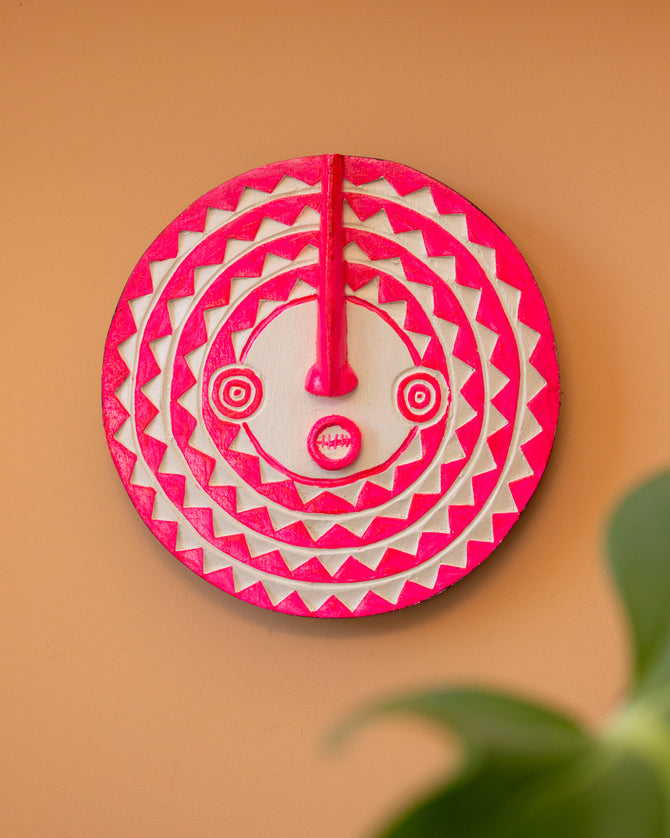
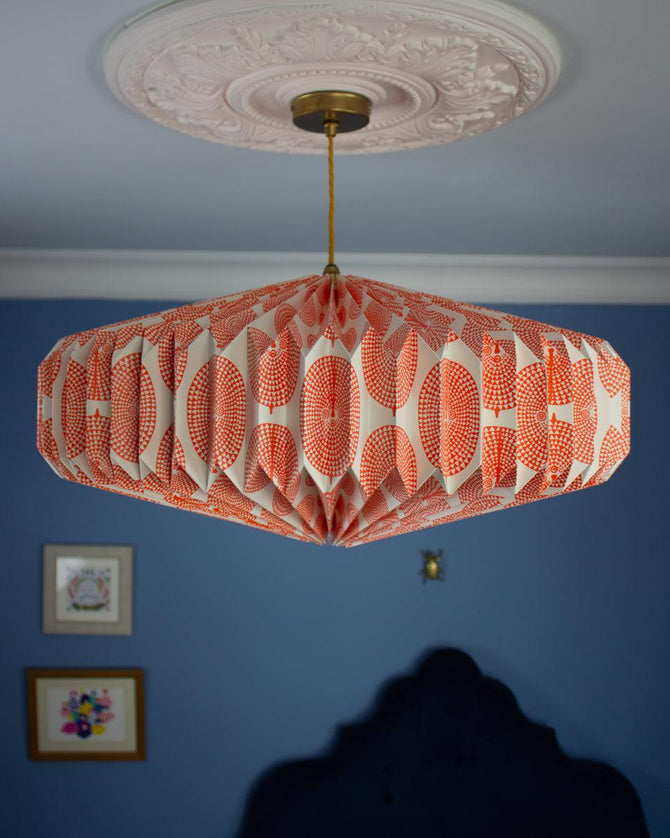
Introduce a few long-lasting accent pieces, such as handcrafted lightshades or mirrors, rather than frequently changing trends. Investing in timeless, ethically made decor reduces impulse purchases and waste over time.
Everyday habits for a more ethical year
Beyond specific products, an ethical New Year is shaped by the small habits repeated each day. A simple framework is to rethink, reuse and then, only if needed, replace.
-
Rethink purchases by asking if you can borrow, mend or repurpose something you already own before buying new. When you do buy, choose ethically made, plastic-free homeware that can serve multiple functions.
-
Reuse sturdy pieces like baskets, textiles and soap dishes in different rooms as your needs change, keeping them in circulation for years rather than cycling through low-quality items.
-
Replace disposable items (from sponges to gift wrap) gradually with durable, artisan-made alternatives, supporting fair trade supply chains and turning your home into a reflection of your values.

